You can’t crowdsource a steady hand. If you’re considering botox injections for wrinkles or a medical indication like migraines or hyperhidrosis, the person behind the needle is the single most important variable in your results. I’ve consulted for clinics, trained new injectors, and corrected more than a few poorly placed units from “deals” that looked good online. The common thread in great outcomes is not a magic brand or a secret technique, it’s a seasoned botox provider with the right credentials, judgment, and follow-through.
This guide breaks down what matters when choosing a botox expert, what’s marketing fluff, and how to vet a clinic so you get natural looking botox and a safe, predictable experience. Whether it’s your first time botox appointment or you’re comparing botox vs Dysport for a brow lift or masseter slimming, the fundamentals don’t change.
What you’re actually buying when you book botox
Botox cosmetic is a brand name for onabotulinumtoxinA, an FDA-approved neuromodulator. Dysport, Xeomin, and Jeuveau are peers with slightly different characteristics. On paper, all of them soften dynamic lines by relaxing targeted muscles. In practice, results hinge on clinical judgment: the right product, dose, depth, and pattern for your anatomy and goals.
You’re paying for:
- A trained eye that can map your facial animation into a safe injection plan. The skill to deliver units precisely at the correct plane, with minimal trauma. Dosing discipline that avoids heaviness, droopy eyelids, or frozen expressions. Counseling that sets expectations for botox results, timeline, and aftercare.
The best botox expert blends medical knowledge with aesthetic sense. That’s what shows up in the botox before and after, not a filter or a logo.
The core credentials that actually matter
There are many titles in aesthetics, and the rules vary by state or country. Rather than chase labels, focus on the training pathway, licensure, supervision structure, and volume of experience.
A physician injector, often a dermatologist, facial plastic surgeon, plastic surgeon, or oculoplastic surgeon, has the deepest training in facial anatomy and complication management. A botox dermatologist brings a day-to-day focus on skin and aging, which helps when botox treatment is combined with lasers, microneedling, or topical regimens. Facial plastics and oculoplastics frequently handle complex cases like brow asymmetry or advanced frown lines.
Nurse injectors and physician assistants can be excellent. Many of the most natural, subtle botox treatments I’ve seen came from RNs or NPs who inject all day and work closely with an overseeing physician. The credential to look for is not just “botox certified injector,” which is often a short course, but a sustained track record, formal supervision, and ongoing continuing education. Ask who the medical director is, how often they’re on-site, and how complications are escalated.
Estheticians and cosmetologists can be superb with skin, but in most regions they are not legally permitted to inject. If you see marketing for a “botox aesthetician,” clarify the role. They may assist, educate, and perform facials or peels, but an injector should hold a medical license that allows them to administer prescription drugs and manage botox side effects and reactions.
No matter the title, verify active licensure with your state board. Confirm that the clinic carries malpractice insurance and follows your jurisdiction’s rules for prescription injectables. A polished website means less than a clean, compliant practice.
Experience, volume, and focus
Quantity and quality both matter. A botox provider who treats many patients each week develops refined dosing recipes for common patterns like forehead lines, crow’s feet, and frown lines, but also learns to spot edge cases such as a heavy brow or pre-existing lid ptosis. Look for an injector who:
- Can explain how many units of botox they typically use for your concern, and why your plan might differ. Has handled scenarios similar to yours, for example botox for men with thicker frontalis, or preventative botox for beginners using baby botox. Uses photos or a mirror to analyze your animation in real time, sometimes marking injection sites where movement concentrates.
Volume isn’t everything. I’d take a thoughtful injector who does fewer treatments but documents outcomes, over a high-volume mill that rushes consultations. Ask how they track botox timeline and results. The best clinics schedule follow-ups or offer a two-week touch up window to fine tune symmetry once the product has settled.
Safety infrastructure: the quiet essentials
Smooth botox appointments are built on protocols you don’t always see. A well-run botox clinic controls inventory to prevent expired product, reconstitutes according to manufacturer guidance, and labels vials with date and dilution. Toxin must be stored cold. Syringe changes occur if there’s any contamination risk. Skin is cleansed properly, and needle gauge is chosen for the area and depth required.
Physiologic safety matters too. Contraindications include pregnancy, breastfeeding, certain neuromuscular disorders, and recent infections at the injection site. Some antibiotics and supplements increase bruising risk. You should be screened for botox risks and offered a written consent that covers botox side effects, expected bruising or swelling, headache, transient eyelid heaviness, and very rare issues like dry eye or diplopia when treating the crow’s feet region. If an injector dismisses these as “nothing to worry about,” find someone who respects informed consent.
Emergency plans are not dramatic, they are prudent. While allergic reactions to botox cosmetic are rare, the clinic should have basic emergency supplies and a clear protocol. For medical indications like botox for migraines or TMJ, the practice should document diagnosis and dosing details carefully, especially if insurance is involved.
Technique and anatomy: why tiny differences change outcomes
The forehead is not a lawn to mow. Over-treat the frontalis and you risk a heavy brow and lid droop. Under-treat the glabella and the “11s” may persist. Properly placed units along the crow’s feet can soften smile lines without blunting expression or causing cheek flattening.
A seasoned injector maps muscle vectors, not just dots. They recognize that masseter hypertrophy differs across faces, so botox for jawline slimming or TMJ must respect the risorius muscle to avoid smile changes. A gummy smile treatment takes precise placement to avoid lip dysfunction. Bunny lines along the nose, chin dimpling from mentalis overactivity, and neck lines along the platysma all respond to botox, but each area has depth and diffusion quirks. If your injector explains the “why” behind their plan, that is a good sign.
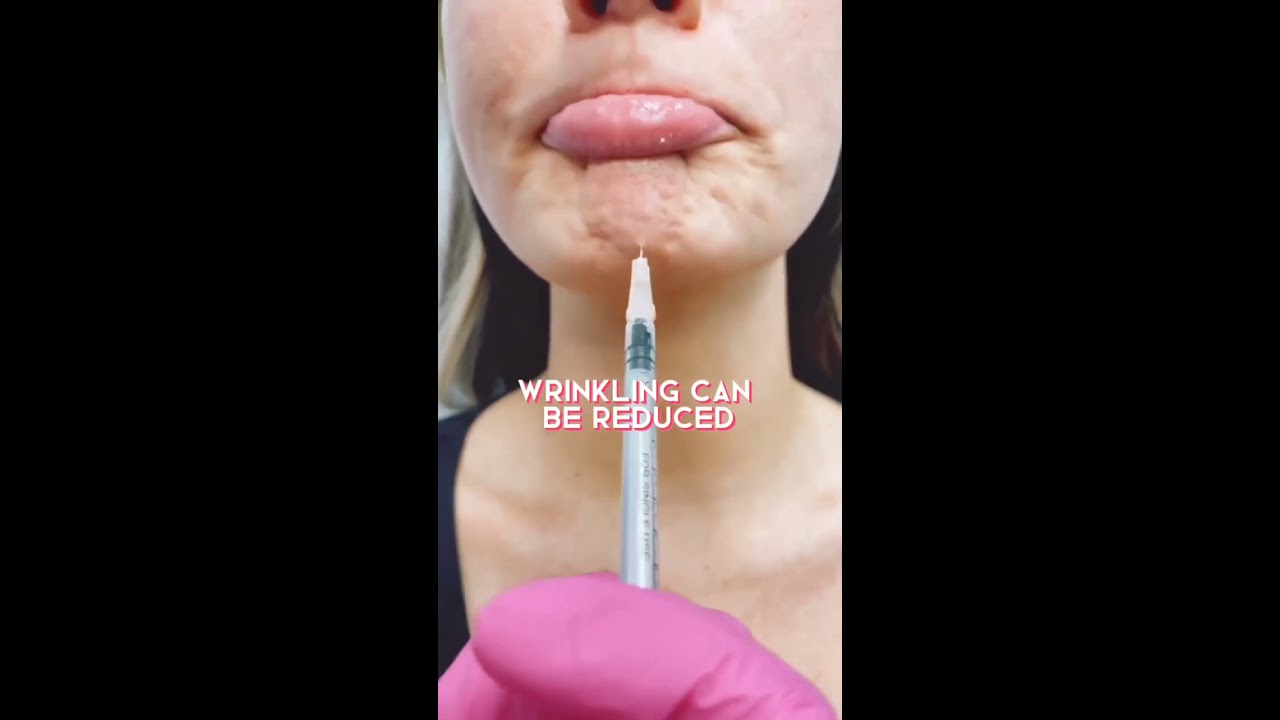
Advanced users sometimes ask for micro botox or baby botox to create a more subtle, airbrushed look or to minimize pore visibility on the T-zone. The evidence for botox for oily skin or acne is mixed, but microdroplet techniques can smooth texture in select cases. These should be performed by someone who has significant experience with dilution and superficial placement, since too much diffusion can create flatness or odd expressions.
The brand conversation: botox vs Dysport vs Xeomin vs Jeuveau
Brand debates get heated, but real differences are nuanced. Botox and Jeuveau are cleanly comparable for many areas. Dysport has a different protein complex and tends to diffuse a touch more, which can be useful across larger areas like foreheads but requires careful boundaries near the tail of the brow. Xeomin is a “naked” toxin without complexing proteins, helpful for rare cases of antibody concerns, though true resistance to botulinum toxin remains uncommon when dosing is appropriate.
When choosing a botox expert, ask which products they use, why, and how they convert units across brands. The math is not one to one, and a sloppy conversion yields under- Greenville South Carolina botox or over-correction. Great injectors are product fluent and will recommend based on your anatomy, goals, and prior response. There is no single best botox brand for every face.
Pricing, specials, and the trap of a cheap unit
Botox cost varies by region and provider reputation. You’ll see botox price quoted per unit or per area. Per-unit pricing is more transparent, provided the dilution is standard. If someone offers dramatically lower botox deals than the local norm, ask about vial source, expiration, and dilution. Cutting corners can water down results or risk sterility.
Package offers or membership discounts are fine if they don’t pressure you into overtreatment. The right dose achieves your goals with the fewest units necessary. If a clinic pushes large, fixed quantities without assessing your muscle strength or symmetry, you’re not getting individualized care.
Consider the total value: consultation, the injector’s expertise, a two-week check, and access for questions. A modestly higher price for a consistent, natural result is cheaper than a correction later.
What to expect before, during, and after the appointment
A thorough botox consultation covers medical history, medications, prior botox treatment, and your priorities. Good providers ask how you use your face at work, on camera, or in sports, because that influences dosing. If you’re new to cosmetic injectables, they will outline what to expect from botox, including onset around day 2 to 4, peak by day 10 to 14, and softening over 3 to 4 months on average. High-movement areas may metabolize faster.
Pre-appointment prep usually includes avoiding blood-thinning supplements like fish oil and high-dose vitamin E for a week if possible, pausing NSAIDs if your doctor approves, and skipping alcohol the day prior to reduce bruising. Some people use arnica to help with bruising, though data is mixed. Arrive without heavy makeup on the injection areas.
The botox procedure itself is quick. You’ll feel brief pinches or pressure with each injection. Ice, vibration, or topical anesthetic can take the edge off if you’re sensitive. Most sessions for forehead lines, frown lines, and crow’s feet finish in under 15 minutes once the plan is set.
Aftercare is simple. Expect tiny bumps that settle in 15 to 60 minutes. Skip heavy workouts for the day, avoid rubbing or massaging the areas, and sleep with your head elevated that night if your injector advises. Makeup can usually be applied after a few hours if the skin is intact. Botox recovery time for routine areas is minimal, though bruising can appear up to 48 hours later. A small bruise is common and resolves in days. If you develop a headache, over-the-counter analgesics like acetaminophen can help, but ask your provider first.
Natural looking results and how to ask for them
“Frozen” isn’t a dose, it’s a style. If you want subtle botox that keeps some expressive movement, say so. A skilled injector can lighten the frontalis without blanking it, soften frown lines while preserving lift, and taper crow’s feet treatment to protect a genuine smile. For first time botox or preventative botox, a conservative plan with a scheduled botox touch up window often produces the most confidence. Once you see how your face responds, dose adjustments are precise rather than guesswork.
I often tell patients to evaluate results in three mirrors: the close-up mirror, the bathroom mirror at arm’s length, and the phone camera. The first will tempt you to chase every fine line. The second shows whether you look rested. The third reveals whether animation reads natural on video. Long lasting botox is nice, but consistency matters more. If you like the look at two weeks, you’ve found your formula. That becomes the basis for botox maintenance every 3 to 5 months, adjusted for seasons, stress, or training intensity.
When botox pairs well with other treatments
Neuromodulators are one tool in facial rejuvenation. If static folds remain after full botox effects, you may need dermal fillers to lift volume or smooth etched-in lines. A conservative approach considers how botox and fillers interact: softening https://www.instagram.com/alluremedicals/ the pull of muscles first can reduce the filler amount later. For pore reduction or texture, energy devices or medical-grade skincare may do more than micro botox. An honest botox expert will recommend a sequence, not just more units.
Medical uses like botox for migraines, TMJ, or hyperhidrosis require pattern-specific dosing and more units than cosmetic treatments. For underarms, typical doses range widely, and results can last 4 to 6 months or longer. For masseter reduction, visible contouring emerges over 6 to 8 weeks as muscle atrophies. Understand the timelines and commit to follow-up, since these protocols benefit from consistency.
Red flags that suggest you should keep looking
I’ve walked out of clinics after seeing corners cut. Trust your gut, and watch for these signs.
- No medical history intake or cursory screening that ignores contraindications. Dilution secrecy, unverifiable product sourcing, or refusal to disclose units. A “one size fits all” dose per area that doesn’t adapt to your anatomy. No clear plan for follow-up, management of botox side effects, or complications. A salesy push for add-ons unrelated to your goals, especially if you are a botox beginner.
If you see two or more of these, continue your search. You’re not just buying a result, you’re buying clinical stewardship.
How to vet a provider without becoming a detective
A little structure goes a long way. Start with the practice website, but don’t stop there. Verify licensure through your state board. Read reviews with a critical eye, looking for notes about communication, follow-up, and natural results. Social media can be helpful if the clinic shows untreated movement before and after, not just smoothed foreheads. During a botox consultation, ask to see real patient photos under consistent lighting and angles. The best clinics can discuss outcomes, not just show filters.
Ask who will treat you. If it’s a nurse injector, meet the supervising physician or at least confirm their presence and expertise. Clarify pricing, expected dose, and the brand to be used. Request a written estimate before your botox appointment. If something feels rushed or evasive, you’re allowed to reschedule.
What the numbers actually look like
People often ask, how many units of botox do I need? The real answer is, it depends. Typical cosmetic ranges provide useful anchors: glabellar complex 10 to 25 units, forehead 6 to 20 units, crow’s feet 6 to 24 units total. Men often need more due to greater muscle mass. Baby botox might use half-doses across the same map. For masseter contouring, total units are higher, often triple or more compared to the forehead, spaced over a few sessions for balance.
Those numbers are not prescriptions. They’re a starting point that your injector will adjust for brow position, eye shape, and how you animate. This is where judgment shows.
The role of comfort and trust
Even a perfect credential list cannot replace rapport. You should feel able to say, I don’t like heaviness, or I’m worried about droopy eyelids given my hooded lids, or I want a lip flip but not a pout. Your provider should listen and translate that into technique. If you bruise easily, they can adjust needle choice, apply pressure longer, or stage areas. If you have a big event, they can time treatment so you hit peak botox results right when it matters.
When things are imperfect, because biology is not software, a good provider owns the plan. Slight asymmetry at two weeks is common and fixable. A mild headache or eyebrow strain can be eased by micro-adjustments. The presence of a thoughtful touch up policy is often the difference between a good and a great experience.
A realistic take on risks
Botox safety is well established when administered correctly. Most side effects are mild and transient: pinpoint bruises, slight swelling, tenderness, or a dull headache the first day. Diffusion into undesired muscles can create a heavy brow or temporary eyelid droop, which resolves as the toxin wears off. Strategic corrective dosing can help, but time remains the cure.
Rare events deserve respect. Eyelid ptosis is uncommon and temporary. Dry eye can worsen in those predisposed when treating crow’s feet. Smile changes can occur with masseter or perioral work if placement strays. If you have a neuromuscular disorder or take medications that affect neuromuscular transmission, disclose this. During your botox appointment, your injector should explain risks specific to the areas you’re treating, not just hand you a blanket pamphlet.
A short checklist for choosing wisely
- Verify licensure, training pathway, and active supervision structure if applicable. Look for substantial, recent experience with your exact treatment areas and goals. Expect a real consultation: anatomy analysis, dosing rationale, product choice, and aftercare. Confirm storage, dilution transparency, and a plan for follow-up or touch up at two weeks. Choose value over the lowest botox price, and avoid deals that don’t add up.
When “botox near me” becomes the right clinic
Proximity helps for follow-ups, but expertise travels. If you live in a smaller market, you may decide to drive an hour for a seasoned injector who values subtle botox and listens. Over time, a long-term partnership yields more natural outcomes with fewer units, since your provider learns how your face responds seasonally, hormonally, and with lifestyle changes. That is the hidden dividend in choosing carefully.
If you’re comparing options, schedule a couple of botox consultations. Bring photos of your face animated and at rest. Clarify whether you want a strong wrinkle relaxer effect or a lighter, refreshed look. Ask how long botox lasts for your areas and whether long lasting botox strategies apply, such as more complete glabellar treatment to reduce habitual frowning. See which provider explains without jargon and respects your limits.
Final thoughts from the treatment room
The most satisfied patients I see treat botox as a collaboration. They show up prepared, they choose an injector they trust, and they give feedback at two weeks. They don’t chase every line, they target the ones that change how they feel in the mirror. They value natural looking botox that keeps their face theirs.
Credentials matter because they anchor that partnership in safety and skill. But the signature on your face belongs to someone’s judgment, not their diploma. Choose the person who can articulate why a certain number of units will do the job, who will tell you when fillers or skincare will help more than extra toxin, and who cares enough to see you back if something needs finessing. That is the real difference between a shot and a craft.